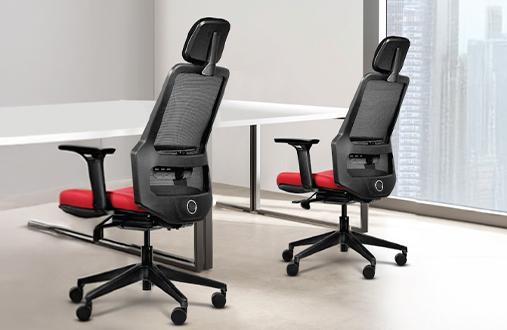
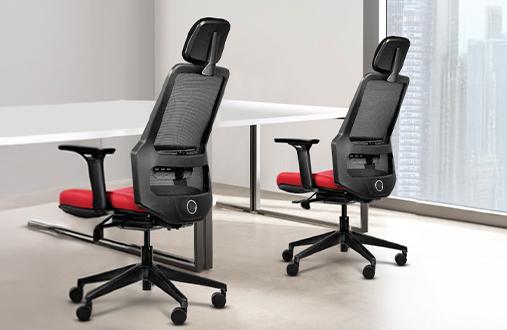
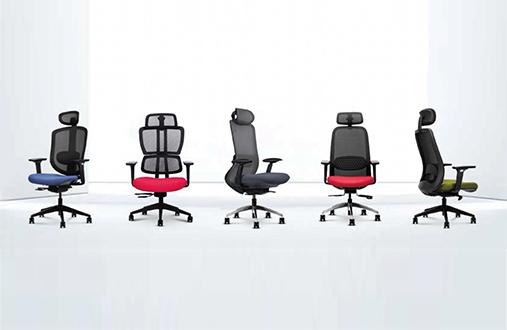
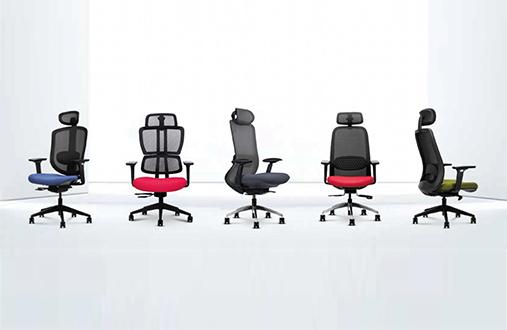
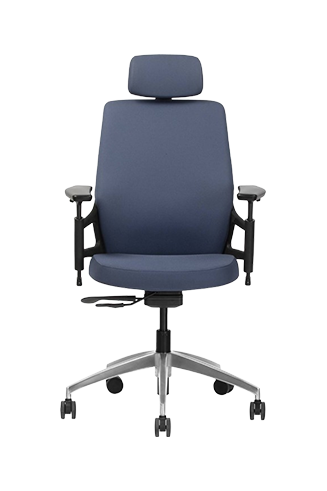
Understanding what lumbar support is becomes essential when users spend hours at the desk, shifting positions to find relief from that familiar ache. Modern workplace demands place unprecedented strain on the spine, particularly during those marathon project sessions and back-to-back video calls. Quality lumbar support systems work quietly to maintain the spine's natural curve, preventing the gradual slouch that leads to discomfort. This guide explores the science, types, and practical benefits of proper back support, helping users make informed decisions about seating comfort and long-term spinal health.
When a user's back aches after a long workday, the obvious question arises: could the chair be the culprit—or the solution? Scientific evidence reveals that ergonomic chair back pain relief depends on thoughtful design, proper adjustment, and understanding how seating supports the body's natural mechanics. This guide explores the research-backed effectiveness of ergonomic seating, essential features that make a genuine difference, and practical strategies for choosing and using chairs that support wellbeing throughout demanding work schedules.
Shared workspaces pulse with constant activity as professionals from diverse backgrounds claim their temporary territories throughout the day. The right coworking furniture choices shape member satisfaction, support varied work styles, and withstand the demands of continuous use across rotating occupants. Commercial-grade durability meets thoughtful ergonomics when spaces prioritise both longevity and comfort. By understanding material science, cleaning requirements, and space optimisation principles, operators can create environments where every member finds their productive sweet spot.
The simple act of supporting the feet properly while seated can profoundly impact a user's entire workday experience. A footrest for an office chair serves as the foundation for better posture, improved circulation, and reduced strain on the spine. This guide explores the science-backed health benefits, helps users identify whether the foot needs support, and offers practical advice on choosing the right solution. Users will learn how this often-overlooked accessory addresses common workplace discomfort, particularly relevant for professionals navigating long hours at the desk.
Modern organisations invest significant resources in employee wellness programmes, yet many overlook the foundational element that affects workers every single day—the seating. When employees spend 8-10 hours seated, the chair becomes more than furniture; it becomes a critical touchpoint for physical health, mental wellbeing, and productivity. Understanding seating as the cornerstone of workplace wellness shifts perspectives from treating symptoms to preventing problems, from reactive healthcare spending to proactive comfort investment.
Selecting a desk chair with adjustable height forms the cornerstone of workplace comfort and productivity. Proper height adjustment aligns the body naturally with the workstation, reducing strain on the spine, shoulders, and wrists throughout demanding workdays. Understanding how height adjustment works with other ergonomic features helps users make informed choices that support wellbeing. This guide walks users through practical selection criteria, adjustment techniques, and long-term comfort considerations specific to modern work environments.
Good posture forms the foundation of workplace comfort, yet modern professionals spend nine to eleven hours sitting daily, often in positions that strain the body. Understanding ways to improve posture goes beyond sitting straight—it encompasses chair adjustments, workspace setup, movement patterns, and mindful habits that support the body throughout the workday. This guide explores practical strategies for achieving proper posture, from ergonomic seating solutions to micro-movement breaks, helping users create a workspace that nurtures both comfort and productivity.
Modern workplaces face the challenge of making every square foot meaningful while supporting diverse work styles and hybrid schedules. Smart office layout ideas balance space efficiency with employee comfort, creating environments where teams can focus, collaborate, and recharge effectively. From hot-desking solutions to activity-based zones, thoughtful layout design reduces operational costs while enhancing daily work experiences. By understanding space utilisation metrics, ergonomic principles, and flexible furniture systems, organisations can create workspaces that adapt to changing needs and support long-term wellbeing.
Modern organisations recognise that thoughtful office layout design directly influences productivity, collaboration, and employee wellbeing. Strategic workspace planning reduces physical strain, encourages natural movement, and creates environments where teams thrive. From activity-based zones to ergonomic workstations, effective layouts balance focused work needs with collaborative spaces. By understanding flow patterns, environmental factors, and furniture placement, companies can design office layout solutions that support diverse work styles while maintaining efficiency throughout the day.
The debate between mesh vs. leather office chairs represents more than material preference—it's about finding seating that supports a user's workday rhythms, adapts to the environment, and enhances well-being. Modern professionals spend countless hours in their chairs, making comfort, breathability, and ergonomic support essential considerations. Whether users are navigating back-to-back meetings, focused coding sessions, or creative brainstorming, the chair choice impacts posture, productivity, and long-term health.
Poor office seating quietly drains company resources through increased sick days and employee departures. Research reveals how poor seating impacts absenteeism and turnover, costing businesses more than $600 billion annually, with employers losing an average of $4,080 per full-time employee. When workers suffer from musculoskeletal pain due to inadequate chairs, the effects ripple through entire organisations.
Modern workplace design is where architectural vision meets human needs. Seating plays a central role in shaping daily experiences at work. Architects and interior designers today plan workspaces through an ergonomic lens. They understand that workplace seating choices affect everything from posture and productivity to wellness and social dynamics. This shift reflects deeper changes in how organisations value employee wellbeing, embrace hybrid work models, and create sustainable environments. From corporate boardrooms to stadium venues, today’s design professionals must balance form, function, sustainability, and user experience.
Join Our Wipro Dealer Network / Become a premium Wipro Dealer Today